 |
Qore xml Module 2.1.0
|
|
Qore xml Module 2.1.0
|
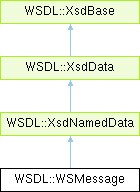
web service message class More...
#include <WSDL.qm.dox.h>
Public Member Methods | |
| AbstractDataProviderType | getDataProviderType () |
| Returns the data provider type for this message. | |
| hash< auto > | serializeAllPartData (*hash< auto > val) |
| serialize all values as string or binary | |
| hash< auto > | serializeData (*hash< auto > val, Namespaces nsc, string key) |
| serialized value of particular type value as string or binary | |
| hash< auto > | deserializeData (string part, hash< auto > val) |
| deserialize value in string or binary form | |
| string | checkPart (string pname) |
| check if pname is defined as message part | |
web service message class
Message definition consists of part definition. Part name is important for simple types to name it at both SOAP and Qore side (hash key). For elements is not used at the SOAP side, it implies condition the element name must be unique in message. In the other words it's forbidden definition of two parts with the same element. It's unclear if is legal in Wsdl and how to handle it. Class raises exception if detects it. The part name is also used for references from binding (header, content).
| string WSDL::WSMessage::checkPart | ( | string | pname | ) |
check if pname is defined as message part
| hash< auto > WSDL::WSMessage::deserializeData | ( | string | part, |
| hash< auto > | val | ||
| ) |
deserialize value in string or binary form
| hash< auto > WSDL::WSMessage::serializeAllPartData | ( | *hash< auto > | val | ) |
serialize all values as string or binary
| hash< auto > WSDL::WSMessage::serializeData | ( | *hash< auto > | val, |
| Namespaces | nsc, | ||
| string | key | ||
| ) |
serialized value of particular type value as string or binary
| val | value to be resolved |
| key | member name, it is requires reference to a simple type, not compaund element |